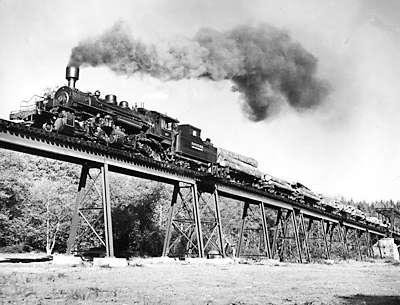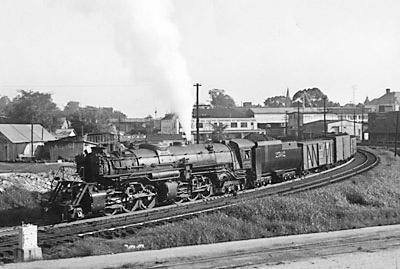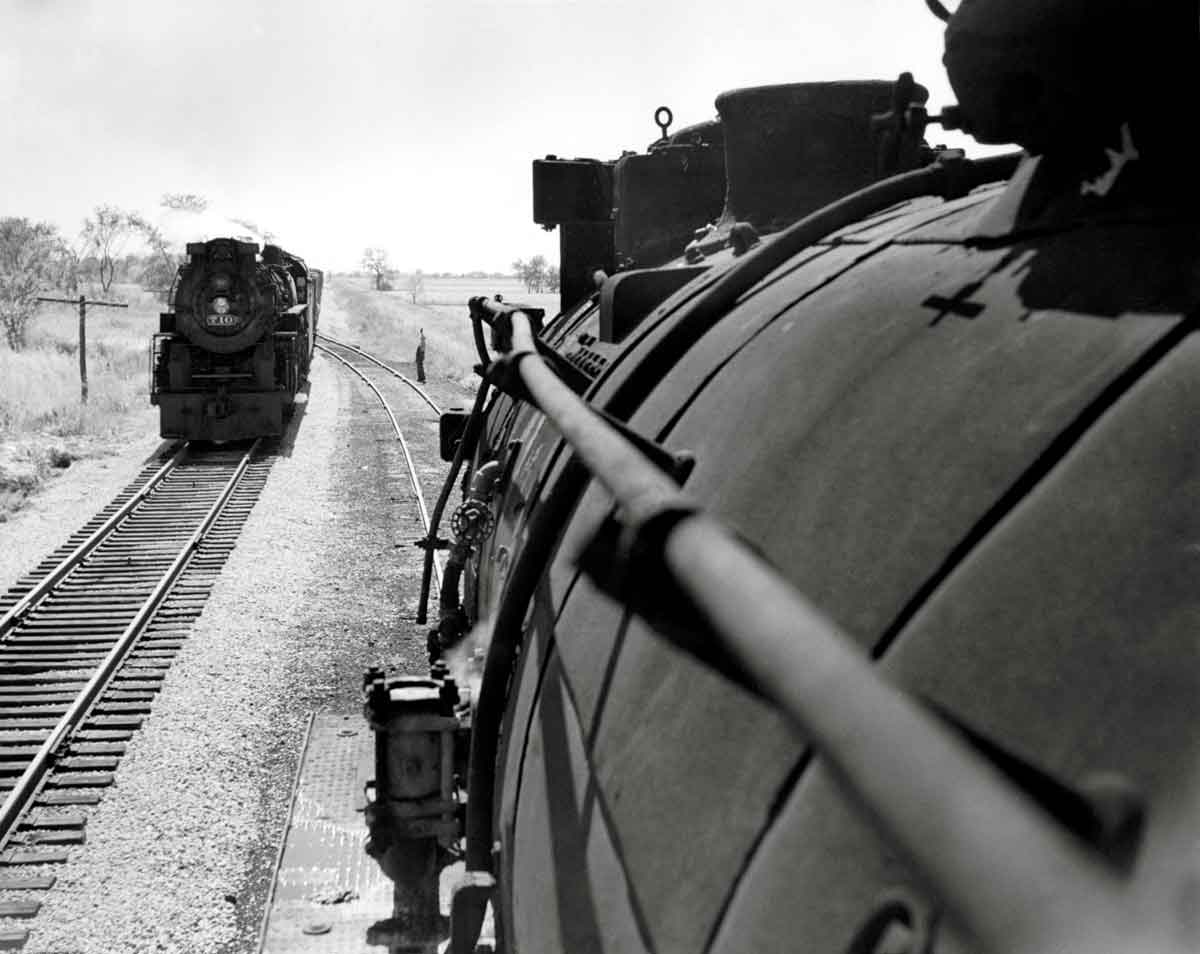


Fairbanks-Morse, the Beloit, Wisconsin-based locomotive manufacturer, was celebrated for its powerful and innovative designs during the transition from steam to diesel. Nevertheless, not all of its creations achieved commercial success. The following examines three Fairbanks-Morse locomotive models that, despite their ambitious engineering, struggled to find a foothold in the market.
Fairbanks-Morse H20-44
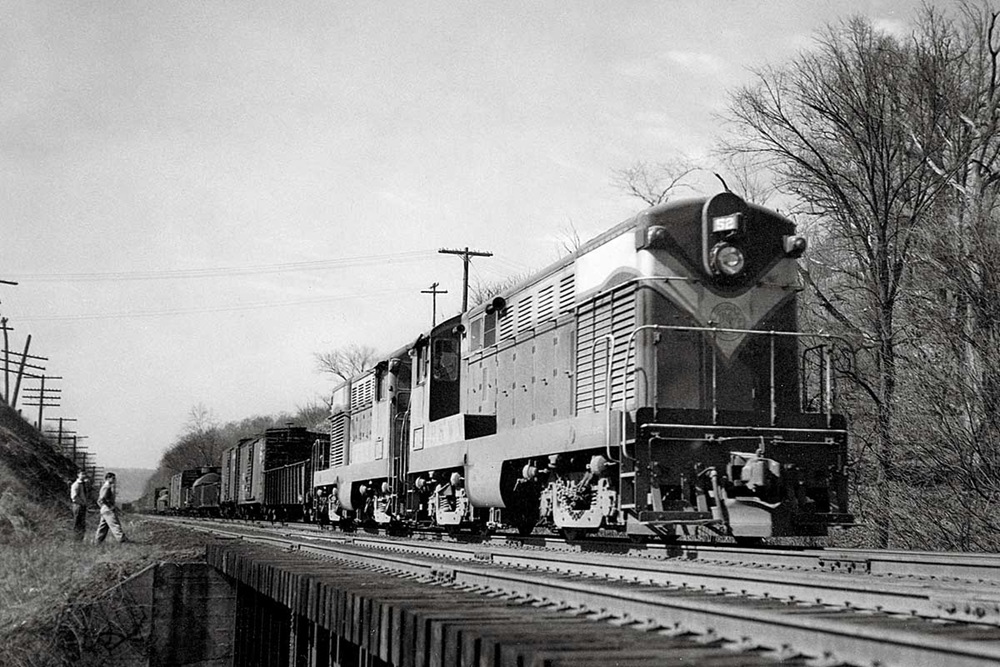
The H20-44, introduced in 1947, was Fairbanks-Morse’s entry into the diesel road-switcher scene. Sporting a formidable 2,000-horsepower engine, the H20-44 was intended for heavy-duty tasks rather than light switching duties. With its unconventional design resembling an oversized switcher, it was deployed in demanding roles such as hauling heavy ore and coal trains.
Despite its raw power, the H20-44 faced significant operational challenges. The unit’s four-axle frame struggled to transfer this immense power to the rails, making it prone to wheel slip. This instability was a major issue, particularly in helper service, where crews had to manage the throttle carefully to maintain traction. In an effort to address the instability concerns and salvage the floundering H20-44, Fairbanks-Morse apparently offered a six-axle version, but found no interest in the market and none were sold. Ultimately, these handling shortcomings limited its appeal and restricted its success in a competitive market.
Fairbanks-Morse Erie-Built
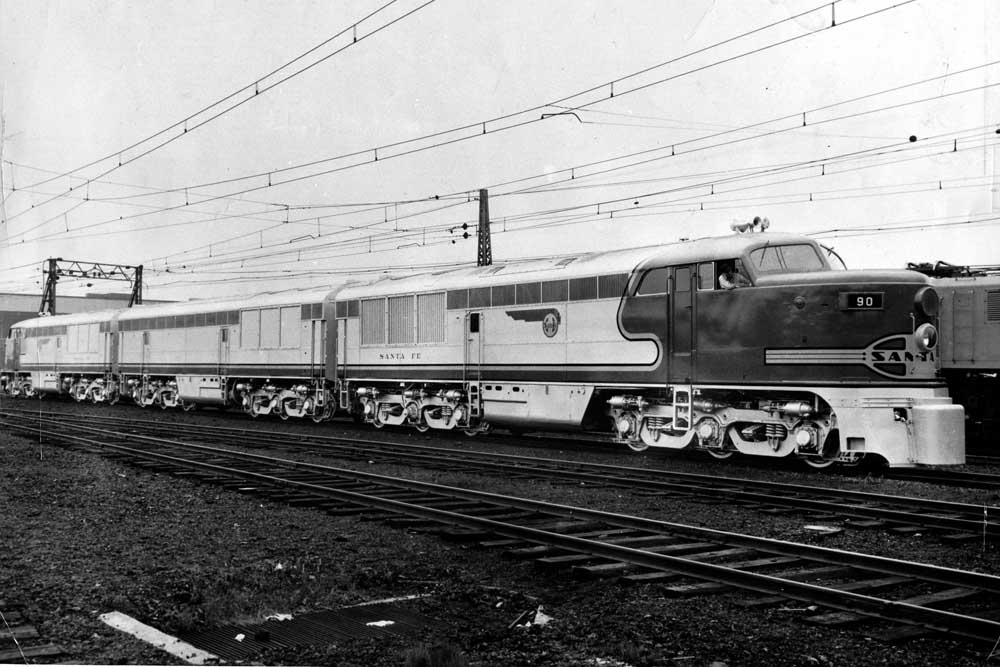
Fairbanks-Morse’s Erie-Built locomotives exemplified industrial elegance, designed by acclaimed industrial designer Raymond Loewy. Produced between 1945 and 1949, these locomotives featured a distinctive “boat-nosed” design and were equipped with a 2,000-horsepower engine. These six-axle machines were Fairbanks-Morse’s ambitious foray into the mainline passenger locomotive market.
Despite their aesthetic appeal, the Erie-Builts faced commercial challenges. First, production constraints at Fairbanks-Morse’s Beloit plant meant that assembly had to be outsourced to General Electric’s Erie, Pennsylvania- facility, a move that complicated logistics and likely increased costs. Moreover, the complexity of their opposed-piston engines led to high maintenance demands, making them less popular than more reliable competitors. Ultimately, none of these iconic locomotives were preserved, a fact that underscores their limited commercial legacy.
Fairbanks-Morse H12-44TS
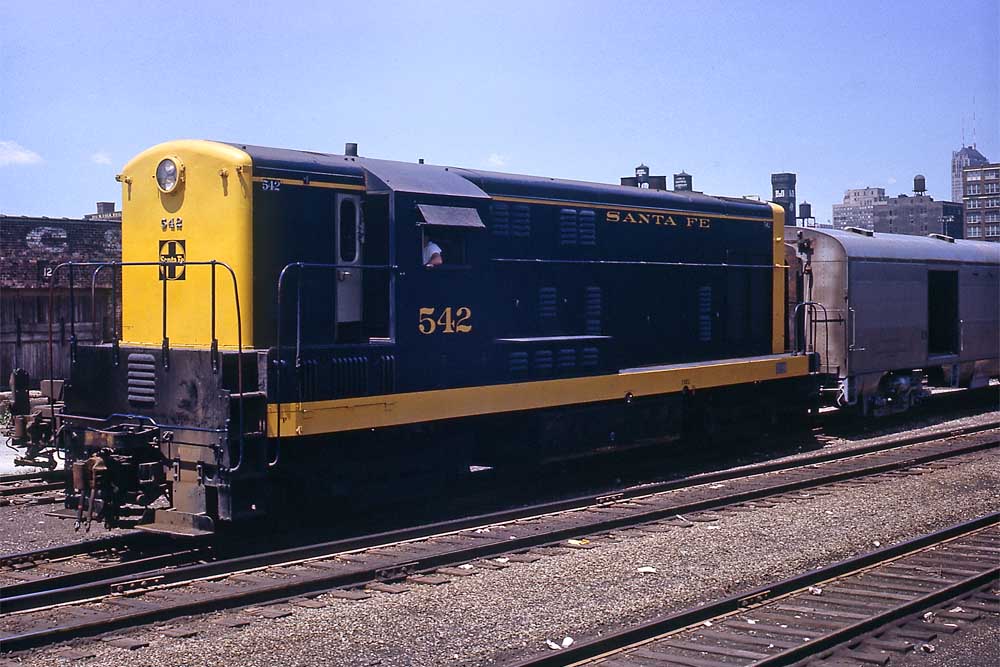
The H12-44TS represented an innovative adaptation of the successful H12-44 design, tailored for terminal switching duties. Built specifically for the Atchison, Topeka & Santa Fe Ry. in 1956, these units were designed to replace steam locomotives at Chicago’s Dearborn Station. The locomotives featured a unique configuration with an elongated frame and a specialized hood to house a steam generator.
Yet, despite their targeted engineering, the H12-44TS units did not secure broad commercial success. Santa Fe’s limited order of only three units highlights the model’s niche appeal. Though they performed reliably until being retired in the mid-1970s, the lack of demand from other railroads meant the model was never put into full production. This design specificity, while perfect for one customer, ultimately prevented its widespread adoption and commercial success.
These Fairbanks-Morse locomotives each exemplified ambitious engineering, pushing the boundaries of what diesel technology could achieve at the time. However, a combination of operational challenges, maintenance complexities, and niche market appeal limited their financial success.
Share this article