Forecast: Intermodal growth trend to continue next year NEWSWIRE

Forecast: Intermodal growth trend to continue next year NEWSWIRE

By Bill Stephens | September 21, 2017

| Last updated on August 6, 2025


Are trailers mounting a comeback?

IntermodalDenverSS
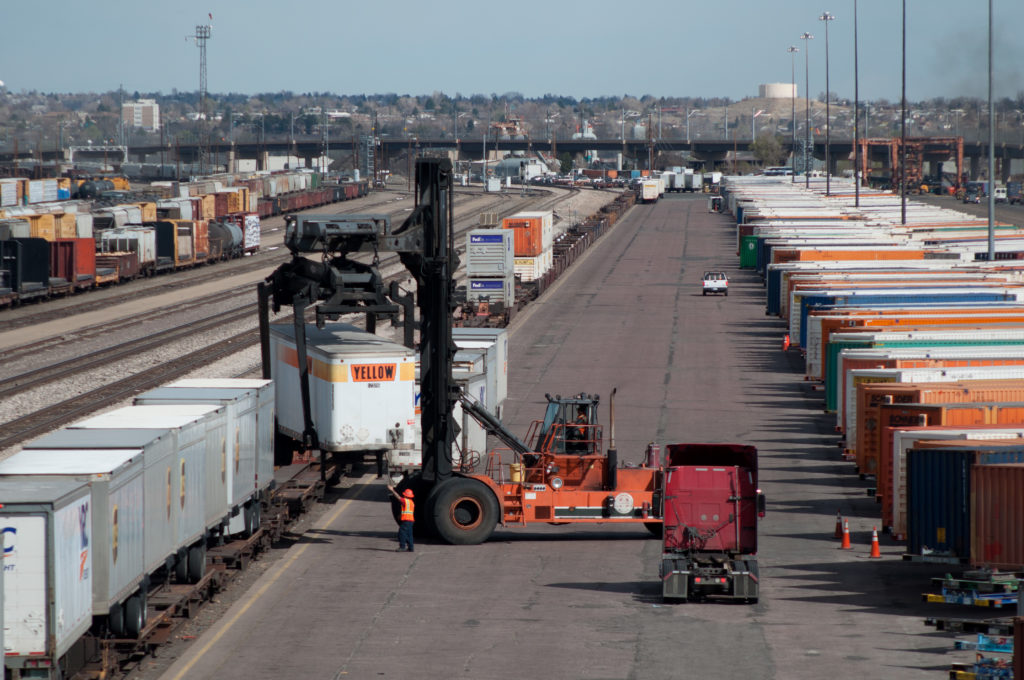
Crews work to place trailers on flatcars in Denver in March 2017. Trailers, or TOFC, made an unexpected rebound in volume so far in 2017.
TRAINS: Steve Sweeney
INDIANAPOLIS – Intermodal traffic, which has come back nicely after a rare down year in 2016, likely will continue to gain ground in 2018 as truck capacity tightens amid regulatory changes and driver shortages.

Intermodal business on the Class I railroads is up 3.7 percent so far this year and the traditional peak shipping season is looking normal, says Larry Gross, an analyst at FTR Transportation Intelligence. He’s projecting a 4.2-percent rise in intermodal traffic for 2018, with domestic container traffic leading the way.

The big story for next year will be the effect of federal regulations that will put more effective limits on the hours and miles drivers can log behind the wheel each day. By Dec. 18 of this year, truckers must have electronic logbooks in their rigs.

Some independent owner-operators and mom-and-pop companies may simply park their trucks rather than install the expensive technology, analysts say. This will tighten capacity, raise rates, and likely allow domestic intermodal to regain market share. Full enforcement of the rule isn’t likely until spring 2018, however, so the full effect may not be felt until then.

The looming trucking capacity crunch makes it a good time to be in intermodal, Hub Group CEO David Yeager and XPO Logistics Chief Customer Officer Greg Ritter told the FTR conference in early September. The intermodal marketing companies put loads on the U.S. Class I systems.

Several intermodal segments have shown pockets of unusual strength this year, including U.S.-Canada cross-border traffic, up 9.2 percent, and trailers, up 2.5 percent.

Since the dawn of the double-stack container revolution, trailers have been a dwindling share of intermodal loads and now account for less than 10 percent of intermodal traffic. So it was surprising, Gross says, to see trailers on the rise.

The 28-foot pup trailers – often used by UPS and less-than-truckload carriers such as YRC Freight – jumped the most. They’re up 7 percent.

“This is a real notable change in the mix,” Gross says, and is a potential early sign that intermodal is picking up loads related to e-commerce.

Railroads stand to gain more traffic that moves to online retailers’ distribution centers, Hub’s Yeager says. Home delivery is extremely expensive, he says, so electronic retailers need to save money elsewhere in their supply chains.

Intermodal is one answer because it’s 15 to 20 percent cheaper than trucking alone.

“Intermodal is a very viable option for ecommerce,” XPO’s Ritter says.

International intermodal has shown renewed signs of strength this year as global trade has risen. It’s up nearly 5 percent.

Key trends in the sector, Gross says, include:

  • No major shift in volume from West Coast ports to the East Coast due to the opening of the expanded Panama Canal.
  • Volume growth at Canadian ports of Vancouver and Prince Rupert is ahead of their U.S. counterparts.

One mystery remains about import volumes: There’s a gap between the volume coming ashore and what railroads are hauling to inland destinations, Gross says. In July, for example, North American import volume was up 11.2 percent yet railroads’ international intermodal loads went up only 8.3 percent.

Part of the phenomenon — but not all of it — can be explained by increased transloading of goods from ocean containers into domestic containers, Gross says. Houston also saw container imports grow, which may have come at the expense of shipments moving via rail to Texas from West Coast ports.

In any event, Gross says it appears that international intermodal moves are losing market share.

Tom Finkbiner, the former Norfolk Southern intermodal vice president and founder of intermodal reefer company Tiger Cool Express, says railroads need to improve service if they expect to take full advantage of intermodal opportunities. In three decades in the business, he’s never seen intermodal on-time performance top 80 percent.

Share this article