Despite challenges, train offer spectacular views, links communities between New York City and Montreal
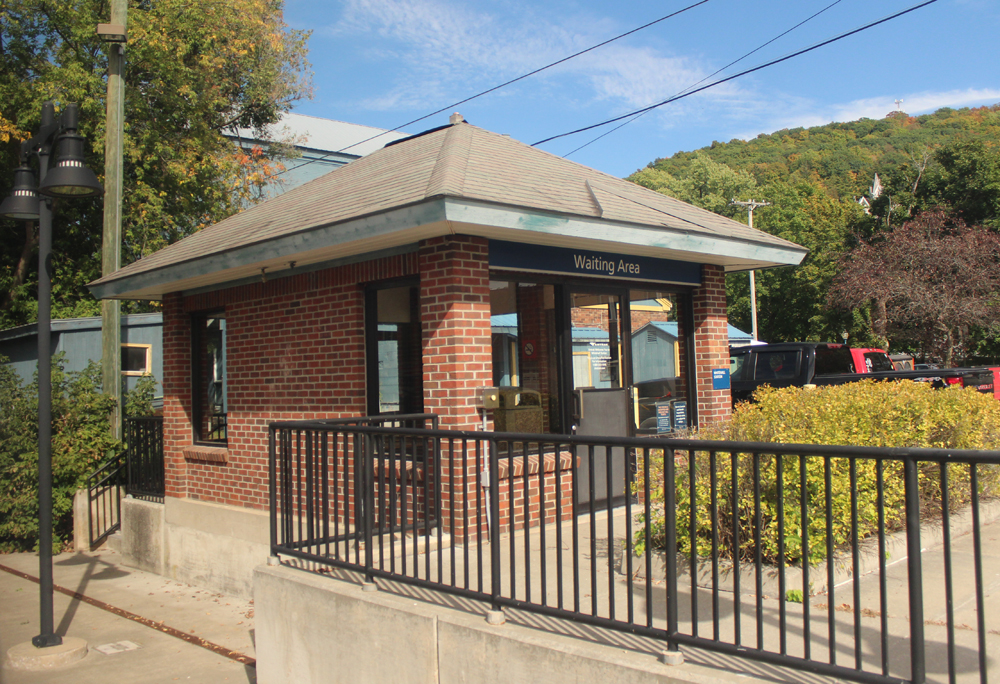
The major intermediate communities served by the Adirondack are Saratoga Springs, Westport, and Plattsburgh, N.Y., but remote stops for which the train is the only available public transportation, like Whitehall, N.Y., take pride in a well-maintained shelter. Bob Johnston
A full-length heritage dome once operated seasonally on the New York-Montreal Adirondack north of Albany-Rensselaer, N.Y. That began during Amtrak’s 1990s product line era when managers focused on growing ridership and revenue on individual routes. The car was sold off during CEO Richard Anderson’s regime, although views are still terrific through Amfleet II coach windows.
Trains News Wire recently sought to reconnect with the beleaguered train on a recent fact-finding round trip north of Albany to Montreal. The service faces many challenges [see “Adirondack operating indifference …,” News Wire, Oct. 10, 2024], but the uniqueness of its journey is a rare East Coast gem. Here’s a look at what passengers experience.
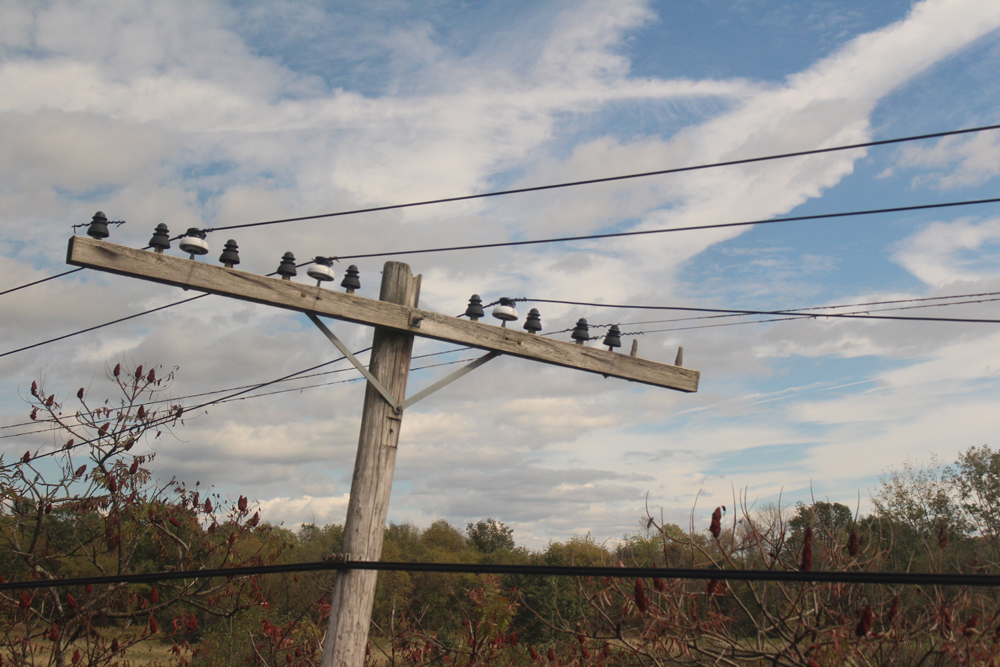
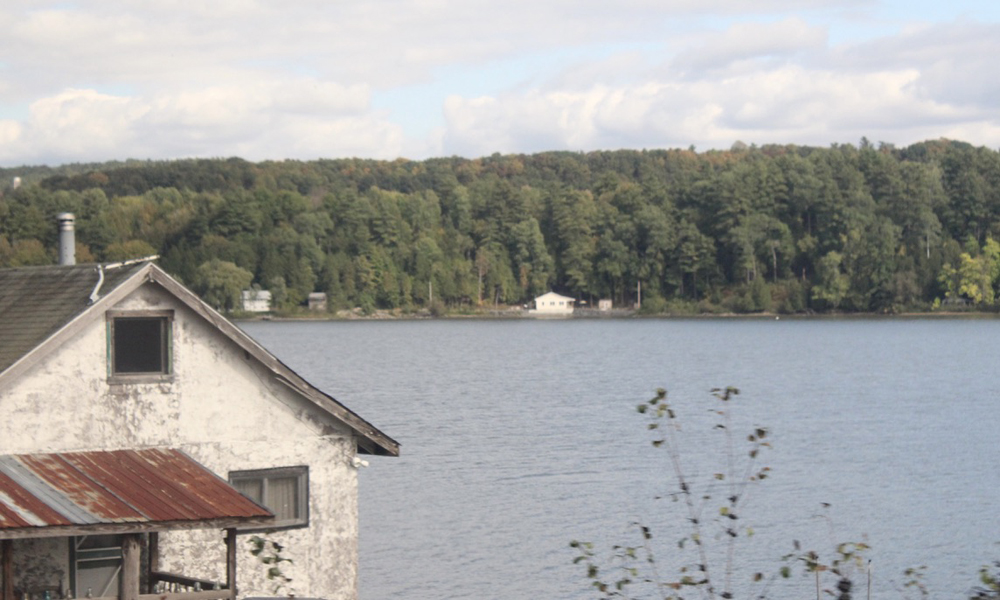
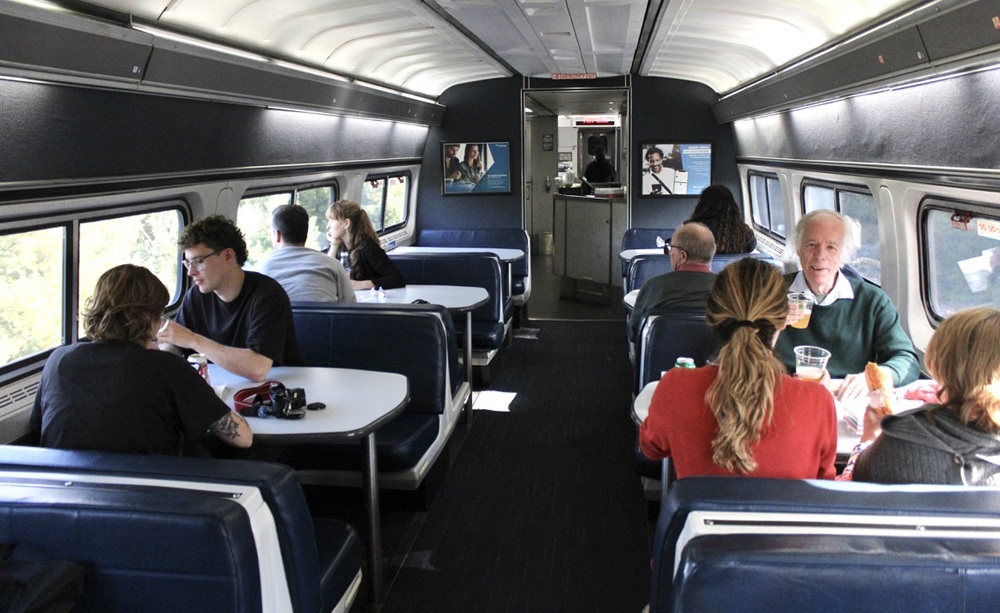
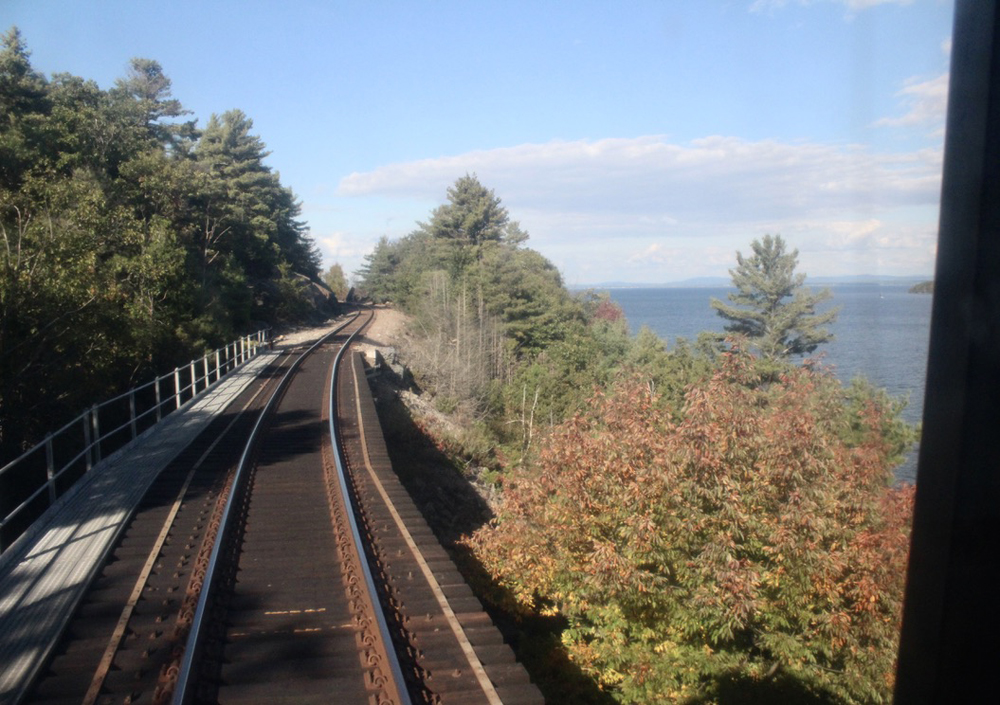
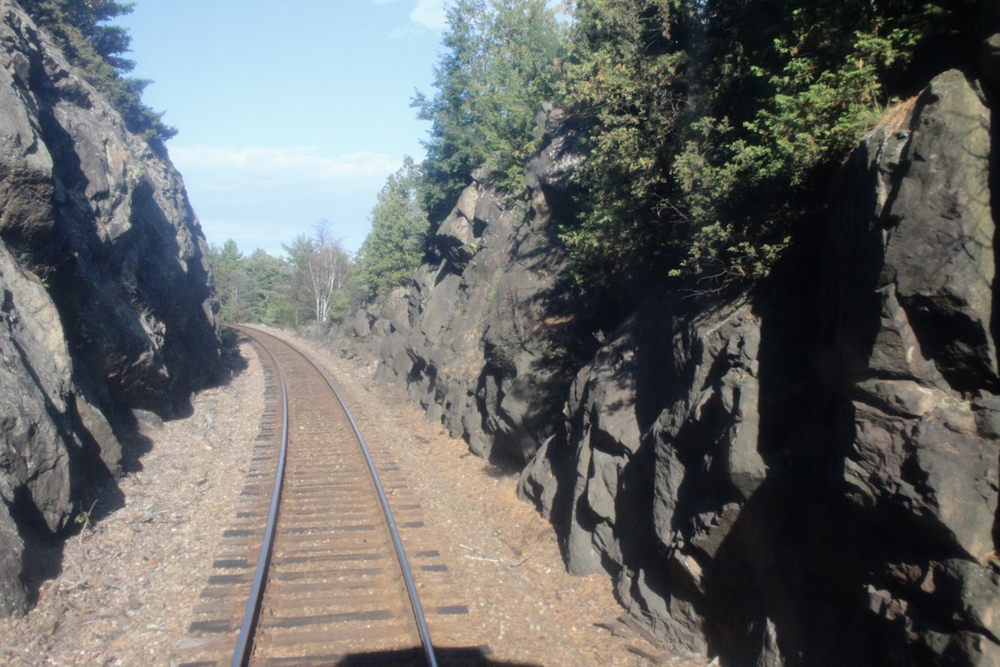
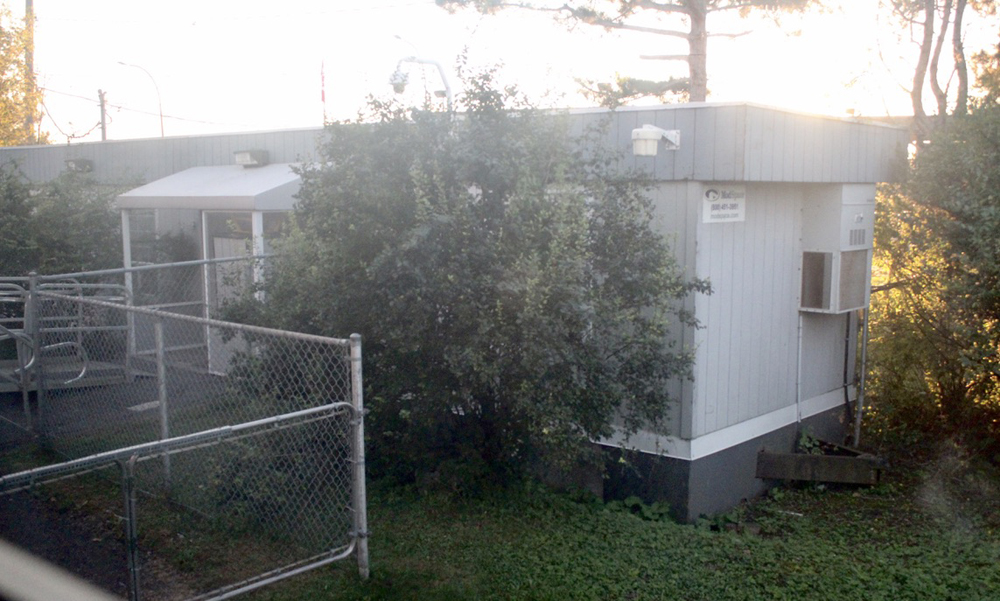
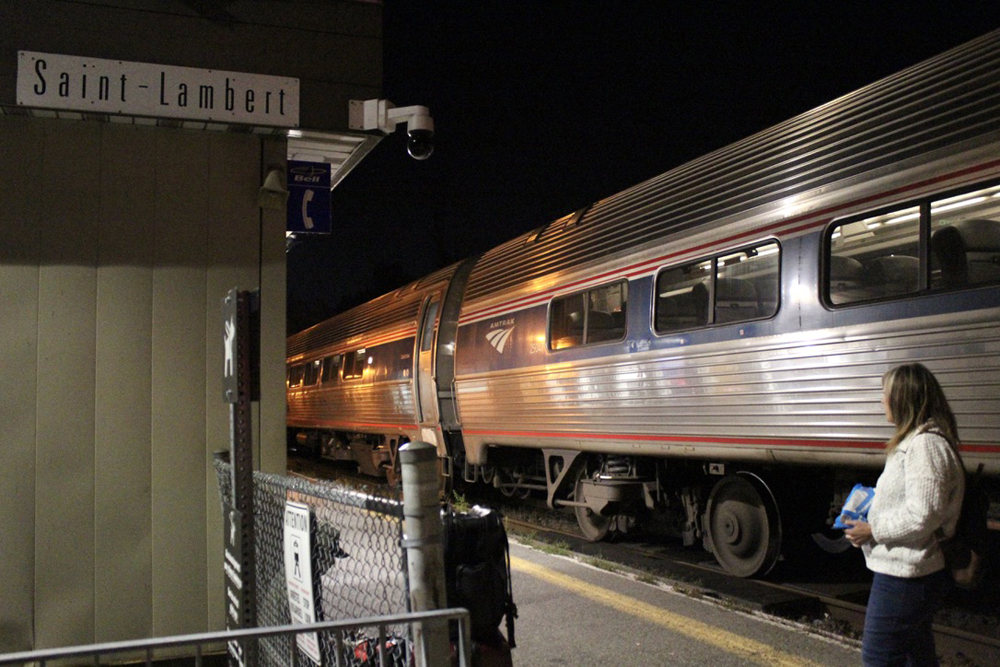
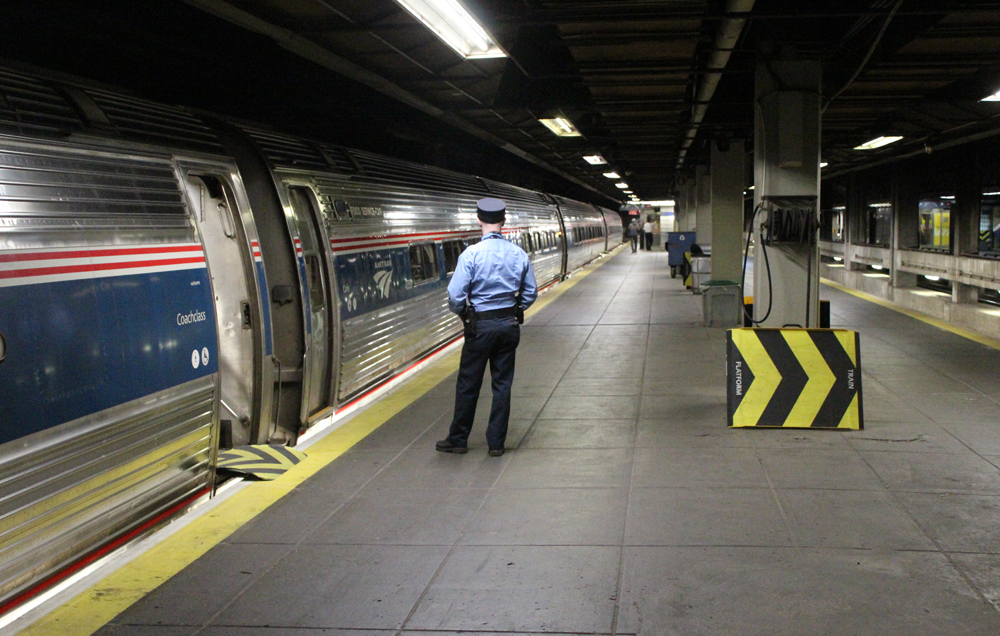
Vestiges of the past: CPKC’s former Delaware & Hudson tracks north of Schenectady, N.Y., are now all welded rail, but dormant signal system code lines and telephone wires remain from an earlier era. Bob JohnstonAbout 20 minutes north of Whitehall, N.Y, the water show begins. For the next 3 hours to Plattsburgh, the train follows Lake Champlain and its tributaries. Both north and southbound trains cover this stretch in the afternoon, so sun illuminates from the west. Bob JohnstonActivity in the Amfleet I café was brisk; the car provided a good place to view scenery on both sides. Though windows are narrower than those in Amfleet IIs, tables allow leisurely viewing. You won’t hear any stern warnings from staff demanding patrons return to their coach seats, as on some other Amtrak trains. About 75 travelers were aboard each Adirondack north of Albany; the lead coach (of four) was closed off on that segment. Bob JohnstonA half-hour north of Westport on a sunny Oct. 1, fall colors were on display as the Adirondack passes over numerous bridges. Bob JohnstonRock cuts are also part of the rugged terrain above Lake Champlina. Bob JohnstonThe Canada Border Service Agency double-wide trailer at Lacolle, Que., just north of the border, is viewed through a dirty train window. The Adirondack sat for more than an hour at this garden spot while the sun went down and agents questioned passengers. Bob JohnstonOn the northbound trip, a Canadian National freight train became disabled on the approach to the St. Lawrence River bridge 2 hours before the Adirondack’s scheduled Montreal Central Station arrival. It also prevented the departure of VIA Rail Canada’s Ocean for Halifax, Nova Scotia. With the Amtrak crew approaching its hours-of-service limit, the conductor advised passengers to leave the train at the St. Lambert suburban stop to avoid being stranded if a a relief operating crew had to be called. Many passengers departed, but the track cleared in time for the train to get to Central Station before the conductors and engineer “died.” Bob JohnstonMoments before departure on Oct. 1, an Amtrak conductor waits for the highball. Bob JohnstonShare this article