Five forgotten locomotives no one wanted: Producing a locomotive is a massive endeavor. From design to testing to production, each model is the summation of thousands of hours of labor from dedicated engineers, builders, and everyone in between. However, in spite of the scale of this undertaking, sometimes it just doesn’t work out. Maybe the locomotive is plagued by reliability issues, or maybe it just doesn’t sell well. The following five locomotive models represent forgotten and unwanted efforts in the field of locomotive production from various manufacturers.
EMC TA Diesel
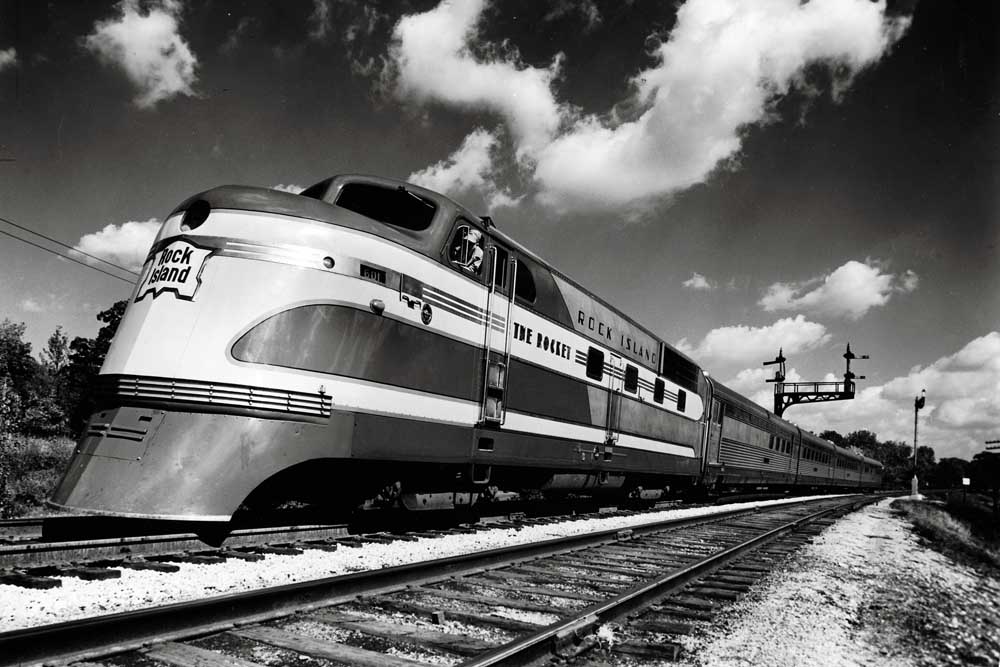
The EMC TA diesel, a one-off design built specifically to power Chicago, Rock Island & Pacific’s new Rocketstreamliners, saw only six units ever produced. The TA shares a resemblance to the EMC E-series streamlined diesel passenger locomotive. While few TAs were made, they enjoyed a successful career, proving themselves to be dependable workhorses both with their original assignment, and the Rock Island passenger service duties they would later be assigned to. All six EMC TAs were eventually scrapped.
Read more about the EMC TA here
Fairbanks-Morse H20-44
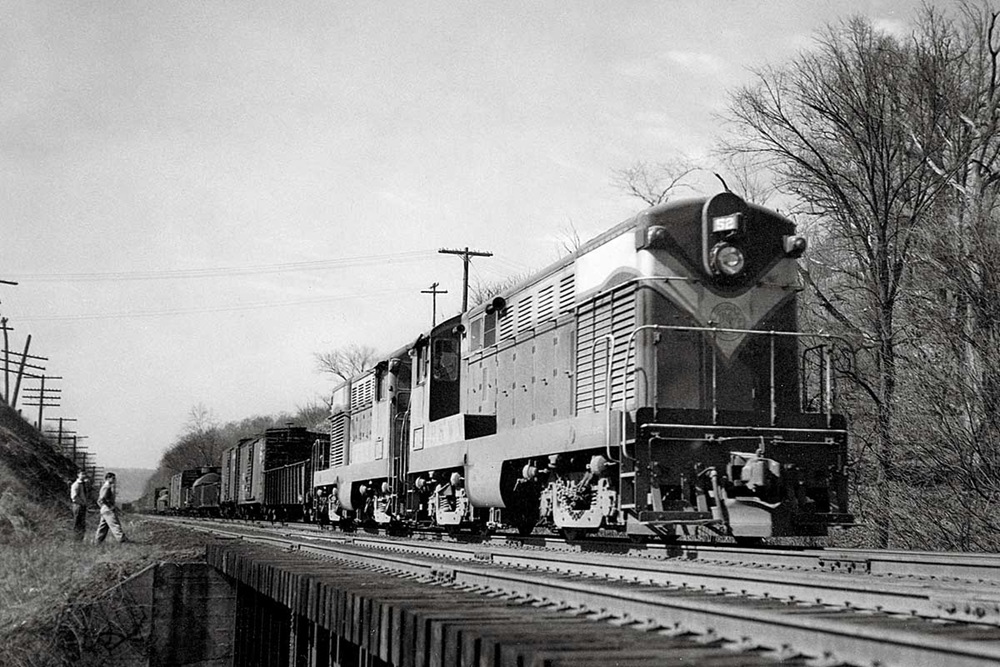
Fairbanks-Morse’s first foray into the diesel road-switcher market was unconventional, to say the least. FM took a 2,000-hp, 10-cylinder opposed-piston engine diesel engine and sat it on a pair of heavy-duty two-axle road trucks. The H20-44 units rolled out in mid-1947 with production continuing and off until early 1954. Ninety-six units were built, mostly for railroads in the East. The H20-44 suffered from reliability issues, though. All those horses on a four-axle body made them slippery, and more than one crew complained of having to work extra diligently not to let the units “get away from them” in helper service.
Read more about the Fairbanks-Morse H20-44 here
General Electric BQ23-7
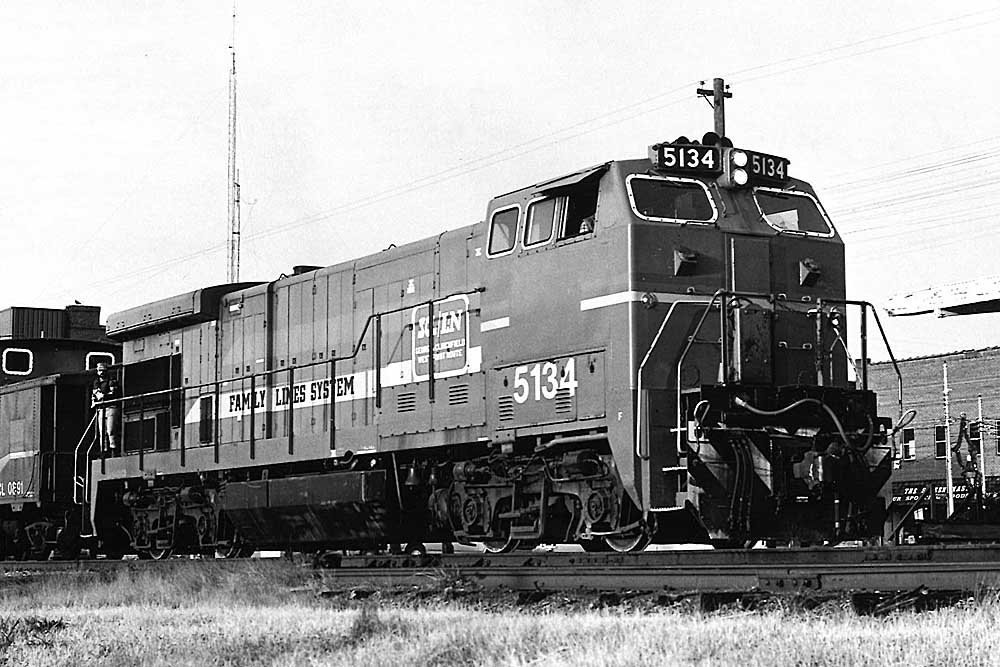
As railroads began to phase out cabooses, manufacturers experimented with where to put the crew. General Electric’s design team took its standard 2,250 hp B23-7 and enlarged the cab area to not only house the traditional front-end crew but everyone that had previously called the caboose their home away from home. Seaboard Coast Lines ordered 10 units, which was the sum total of the BQ23-7’s order sheet.
Read more about the General Electric BQ23-7 here
Baldwin Centipede
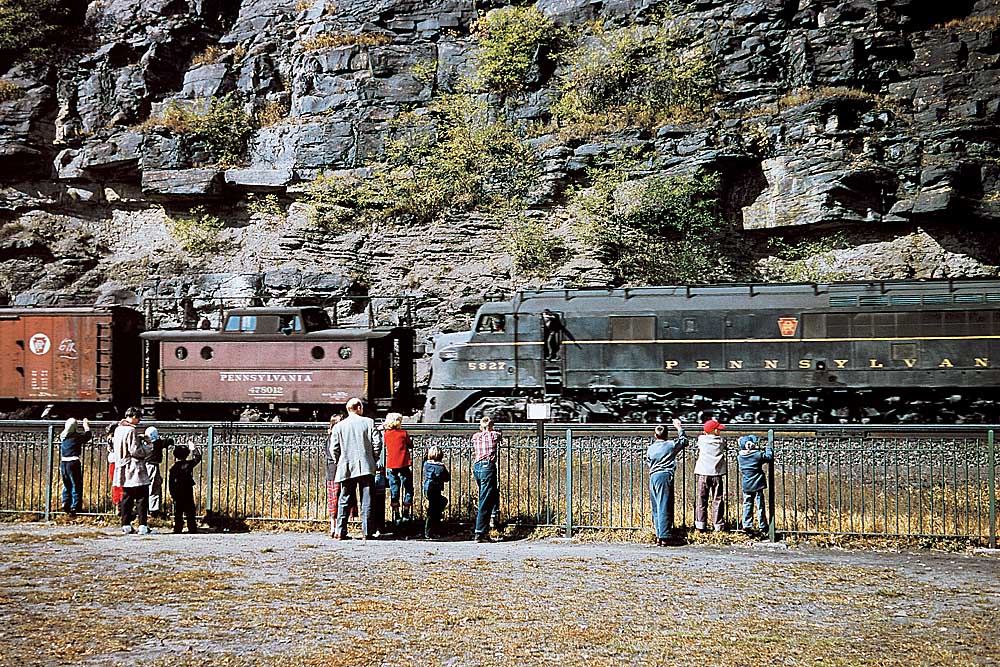
Officially known as the Baldwin DR-12-8-1500/2, which stood for Diesel Road, 12-axles, eight of which were connected to traction motors, with two engines, each producing 1,500 horsepower. The 2 stood for their original design philosophy of having two of them semi-permanently connected back-to-back to form a 6,000 hp package. 56 of these Centipedes were produced for three railroads. Designed as a high speed passenger mover, they were outclassed and outsold by the likes of the competing EMD F3 or Alco FA1.
Read more about Baldwin Centipedes here
Baldwin Babyface
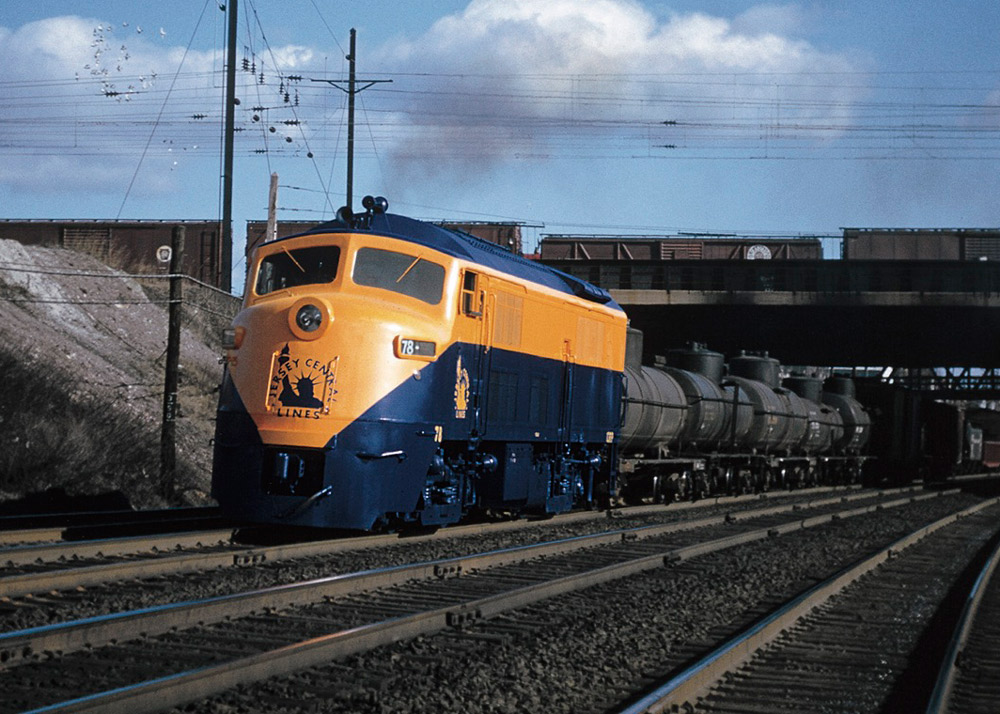
The Baldwin DR-4-4-15, also known as the Babyface, was powered by the new 608SC prime mover. The front-end design the Babyface sported — similar to EMD’s F-unit “bulldog” but with larger windshields and a smaller, more rounded nose — was a departure from the more planar look of Baldwin’s two most recent cab units. Only 33 examples of the DR-4-4-15 were produced, and they were plagued by problems, including a tendency for the air intakes to draw in moisture.
Read more about the Baldwin Babyface here
Share this article