

Why is it that no one notices railroads until there’s a derailment, blocked grade crossing, or a massive supply chain problem like we saw in 2022?
If it weren’t for bad press railroads wouldn’t get any at all. It’s as if the railroad industry – all 140,000 miles of it – is invisible until things go haywire.
A case in point: Last week the U.S. Department of Transportation created an advisory committee to shape the federal government’s approach to transportation innovation, with a focus on automation, cybersecurity, and sustainability, among other things. Its membership includes precisely no one from the rail industry.
That’s right. No freight rail officials. No Amtrak, Brightline, or commuter rail people. No one from rail equipment manufacturers. Or the testing folks at MxV Rail in Pueblo, Colo.
This does not mean that there’s no tech innovation in the rail industry. Far from it. Startups Parallel Systems, Intramotev, and Glid are working on battery electric, autonomous freight cars. Automated track and train inspection systems are cutting edge. Freight car location and health monitoring systems are finally getting traction. And Wabtec is tying together its dispatching, yard management, and locomotive cruise-control systems with the goal of helping rail networks operate more smoothly, predictably, and reliably.
Yet the railroad industry, which handles roughly 40% of the nation’s long-distance freight ton-miles, was left off the federal panel. Rail wasn’t the only mode on the outside looking in. Neither aviation nor the maritime industry have a seat at the table, either. A DOT spokesman didn’t respond to an email asking why rail was left out.
“We are living in a time filled with unprecedented opportunity and unprecedented challenges in transportation,” Transportation Secretary Pete Buttigieg said in a statement announcing the panel. “The deep expertise and diverse perspectives of this impressive group will provide advice to ensure the future of transportation is safe, efficient, sustainable, equitable, and transformative.”
This, of course, begs the question: How diverse can the perspectives be if rail is missing? DOT put out a call for advisory committee nominations in July 2022. But the agency could have invited railroad representatives if no one from the industry had raised their hand.

If you pay attention to transportation policy — or, more precisely, the lack of it — these oversights aren’t surprising. The U.S. and transportation departments of all 50 states are focused almost exclusively on roads. It’s all about rubber tires rolling on pavement. And anything that doesn’t come equipped with a steering wheel is an afterthought.
You can understand why the Class I freight railroads would want to keep the feds at arm’s length. The phrase, “Hi, I’m from the government and I’m here to help,” comes to mind. But better coordination among transportation officials and all links in the supply chain — yes, that even includes railroads — can only be a good thing.
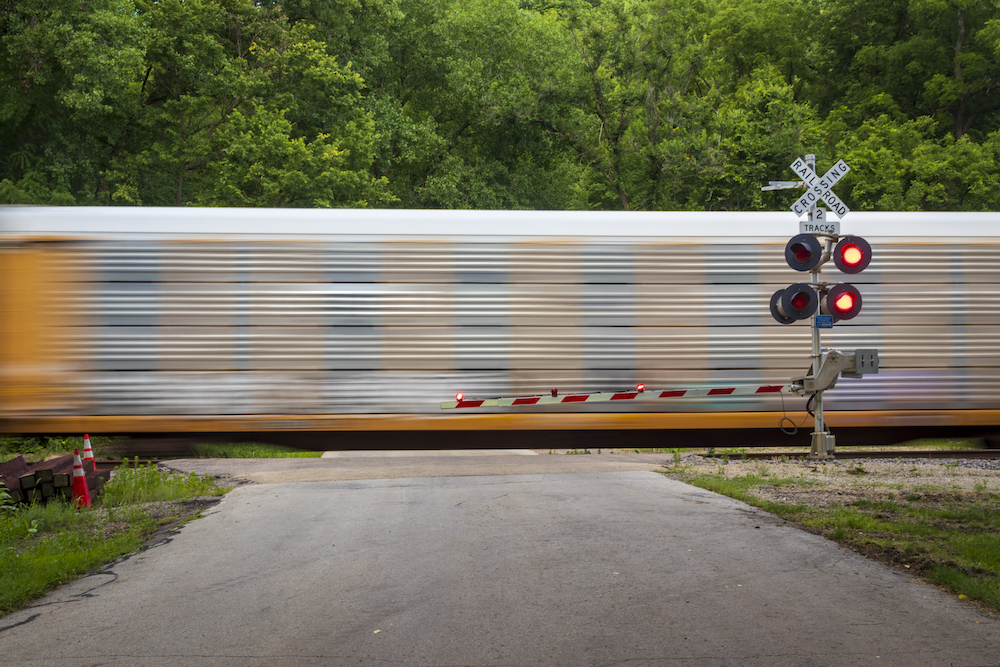
Since the committee aims to look at technology and safety across all modes of transportation, it seems like a golden opportunity to discuss ways to reduce the staggering number of grade crossing accidents. No longer are drivers just trying to beat a train to a crossing and losing. With their eyeballs on their phones, distracted drivers are now plowing right into the side of trains. There’s got to be a tech solution, right?
Railroads were once woven into the fabric of daily life in America. The DOT panel is yet another example of how railroads have faded from the public consciousness — even when the topic is transportation.
You can reach Bill Stephens at bybillstephens@gmail.com and follow him on LinkedIn and X @bybillstephens
Share this article