The holiday season is when many people get introduced to model railroading. It usually starts with a train set that contains a locomotive, a few freight cars, a caboose, some track, and a power supply. Eventually, you’ll probably want another locomotive or some new cars. Here are some ideas on where to buy model trains.
Brick-and-mortar hobby shops
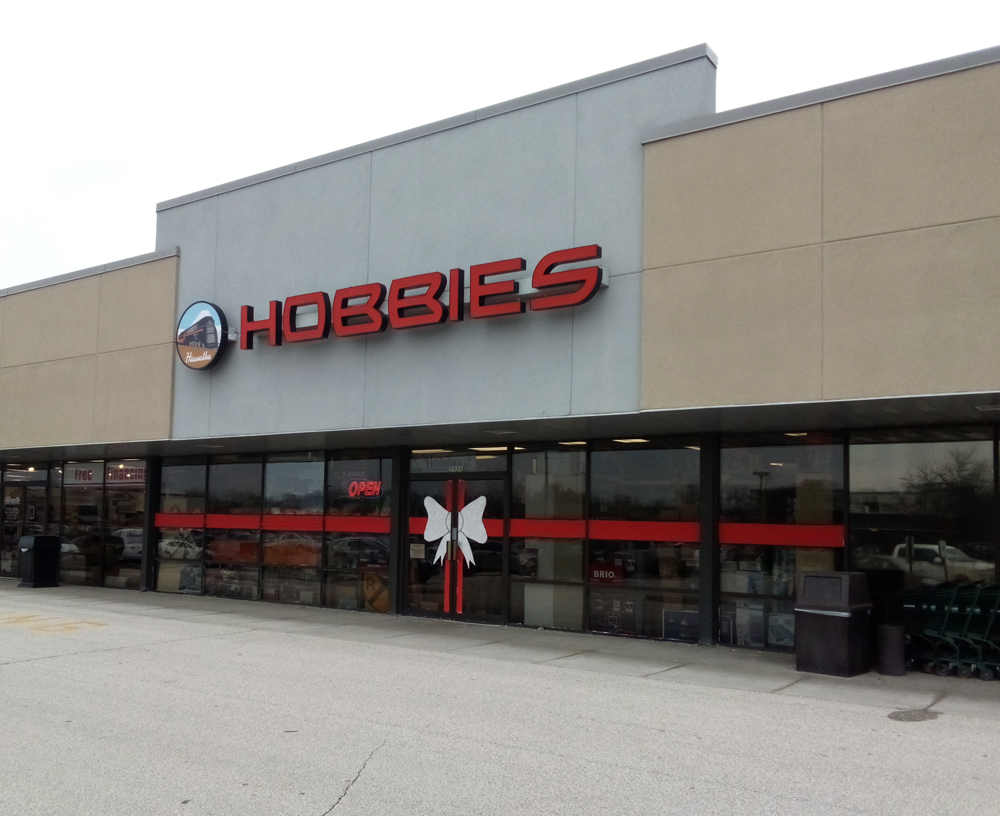
When you page through an issue of Model Railroader, you’re certain to find advertisements for brick-and-mortar hobby shops. In addition to the standalone ads, there’s also a retail directory in the back of every issue.
Brick-and-mortar hobby shops have been a staple of the hobby for decades. Some shops specialize in one scale. Others are full-service stores that have model trains in multiple scales, plastic kits, slot cars, scratchbuilding supplies, paints, adhesives, and books, among other items.
When you go to a hobby shop, you can take a closer look at products. Most stores also have a test track if you want to see (and in some cases hear) a locomotive that you’re thinking about purchasing. Brick-and-mortar stores often service what they sell, so if you have a problem, they will either fix it or send it to the manufacturer for repairs. Hobby shops are also a great place to meet fellow modelers and learn about clubs in the area.
Online retailers
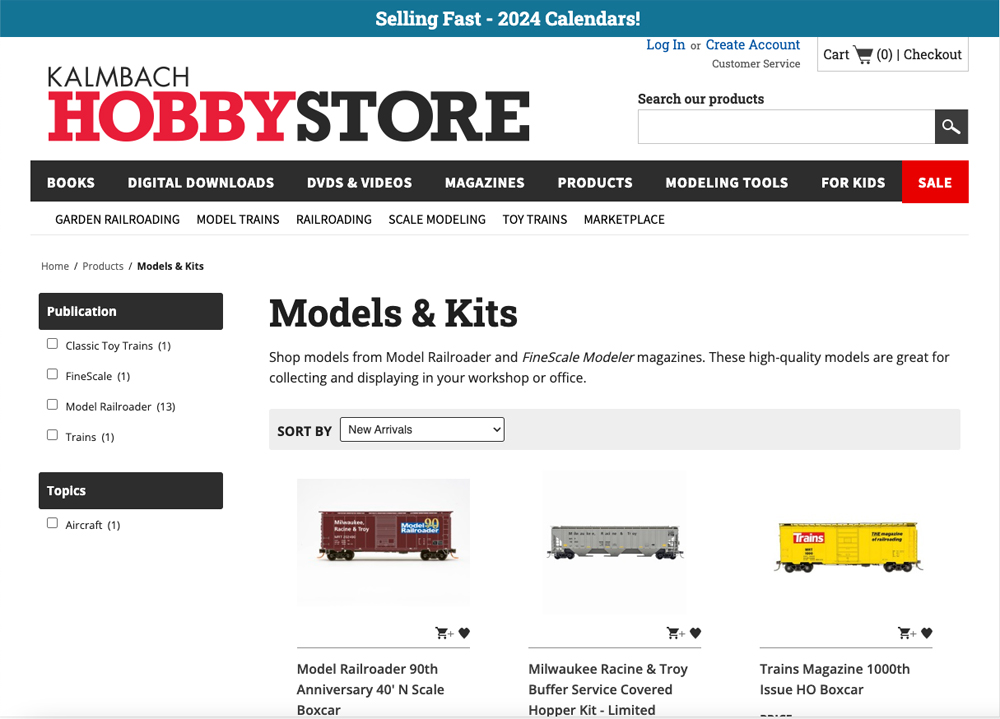
Many people order groceries, clothes, and other items online, so it shouldn’t come as a surprise you can get model trains on the internet, as well. I would be remiss if I didn’t point out the Kalmbach Hobby Store. Here you can find the latest custom-decorated Milwaukee, Racine & Troy models, an assortment of modeling tools, scenery materials, and much more.
In addition, many brick-and-mortar hobby shops have branched into e-commerce. Now, instead of relying largely on foot traffic for sales, these businesses can get their products in front of a worldwide audience.
Swap meets
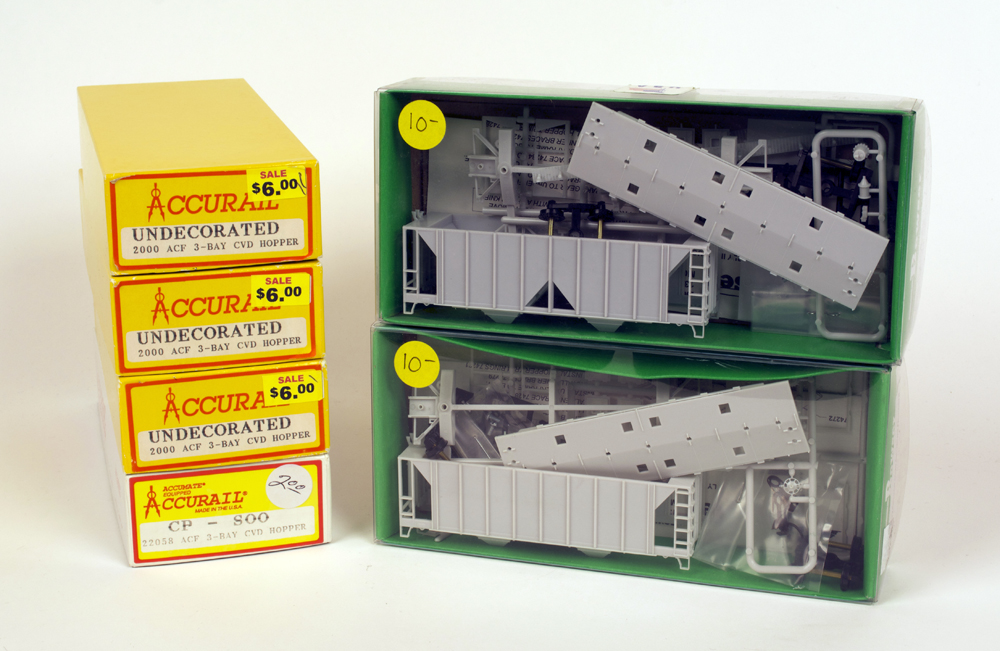
Swap meets are usually held during the fall and winter months in smaller venues like bowling alleys, fraternal organization halls, and hotel conference rooms. Much of the fun of these events is that each one is different — you never know what you’ll find. It all depends on who is selling and when you get to the meet.
Though you may get lucky and find new locomotives and freight cars at swap meets, go in expecting that the majority of the models will be used. That’s not necessarily a bad thing. I’ve seen nicely detailed and weathered models at swap meets. Be aware, though, that some vendors will have corrugated trays filled with older models that may lack the details and quality found on today’s models. Read my article “Five finds at model railroad swap meets” to learn more about these events.
Unlike brick-and-mortar and online hobby shops, at a swap meet you don’t have much recourse if you purchase a model that doesn’t work. Since you’re buying items as-is, inspect locomotives and freight cars carefully. Check for broken or missing parts. Some swap meets I’ve attended have test tracks set up in multiple scales. Ask the seller to run a locomotive before you buy it.
Online auction websites
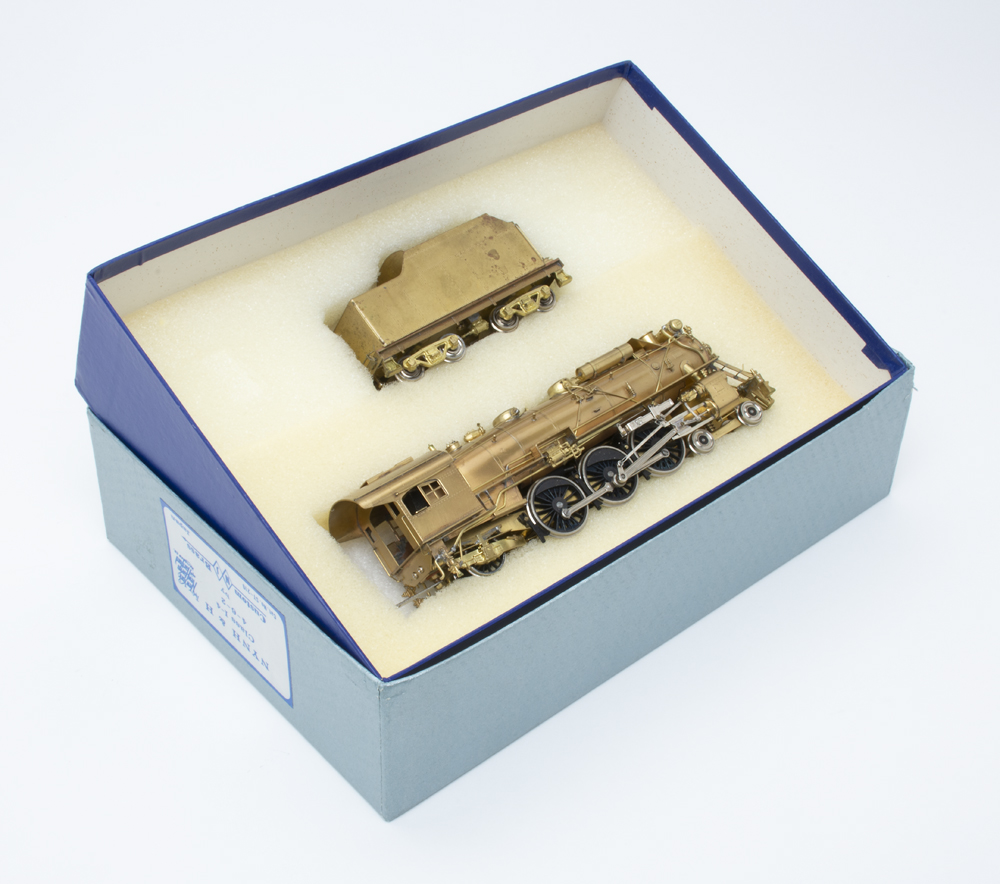
There are various online auction websites, with eBay being the most well-known. Sites like these are a great way to find both new and out-of-production model trains.
Though online auction websites have a wide variety of products, there are things to take into consideration. First, know your spending limit. It’s easy to get into the heat of an auction, and before you know it, wind up in a bidding war. Unless it’s a one-of-a-kind item, there are most likely other models out there. Don’t get carried away. Some auctions may have a “buy-it-now” option, where you can purchase the item without having to deal with the bidding process.
Next, make sure you research the seller. Do they get mainly positive feedback, or do you see a lot of neutral and negative comments? Carefully read the seller’s terms on payment, shipping, and returns as well. The few dollars you save on a model may quickly disappear in shipping charges.
And remember the old rule of thumb — if a deal seems too good to be true, it most likely is. Though the vast majority of the sellers are reputable, and you can find good deals on auction websites, sadly there are scammers out there. If something seems amiss, don’t buy from that seller.
Railroad historical societies
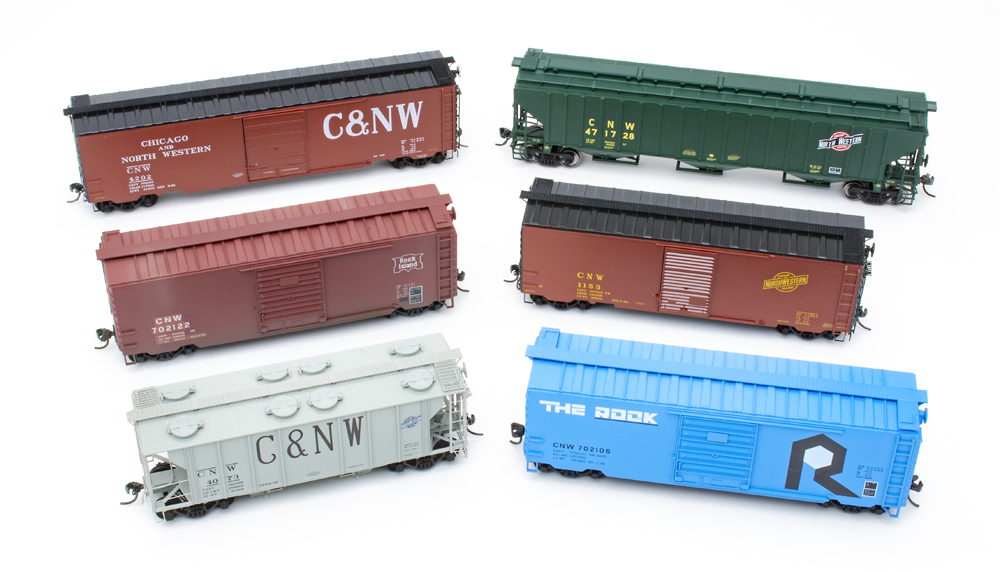
Many prototype railroad historical societies offer model trains. Groups like the Chicago & North Western Historical Society, Great Northern Railway Historical Society, New Haven Railroad Technical & Historical Association, Northern Pacific Railway Historical Association, and Soo Line Historical & Technical Society offer locomotives, freight cars, and passenger equipment.
In addition, some of the groups sell decals, detail parts, structure kits, and vehicles, all of which make it easy to accurately re-create a specific prototype.
Model railroad clubs
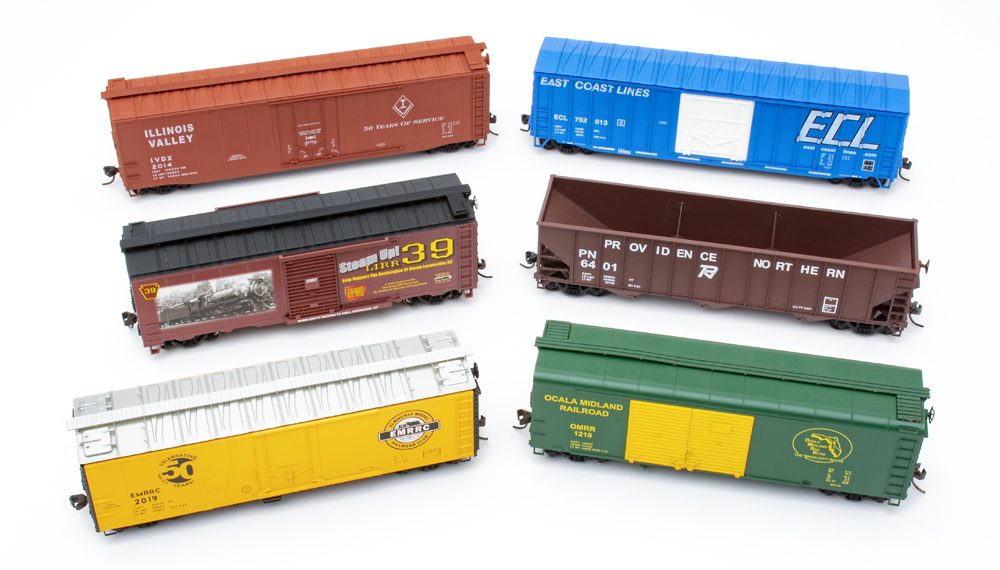
An occasional feature in the News & Reviews (formerly News & Products) section of Model Railroader magazine is club offerings. Here, groups can send get the word out about custom-decorated cars that they’re offering. The models are often used as fundraisers.
Some of the models are decorated for the club’s layout. Others might be decorated to celebrate a milestone anniversary, a current or former business in the community, and well-known layouts.
Surprise finds
Over the years I’ve been surprised at the various non-traditional places I’ve found model trains. Examples include antique stores, garage and estate sales, flea markets, big box stores, and thrift stores. Keep your eyes open, as you never know where you might find your next locomotive or freight car.
Share this article