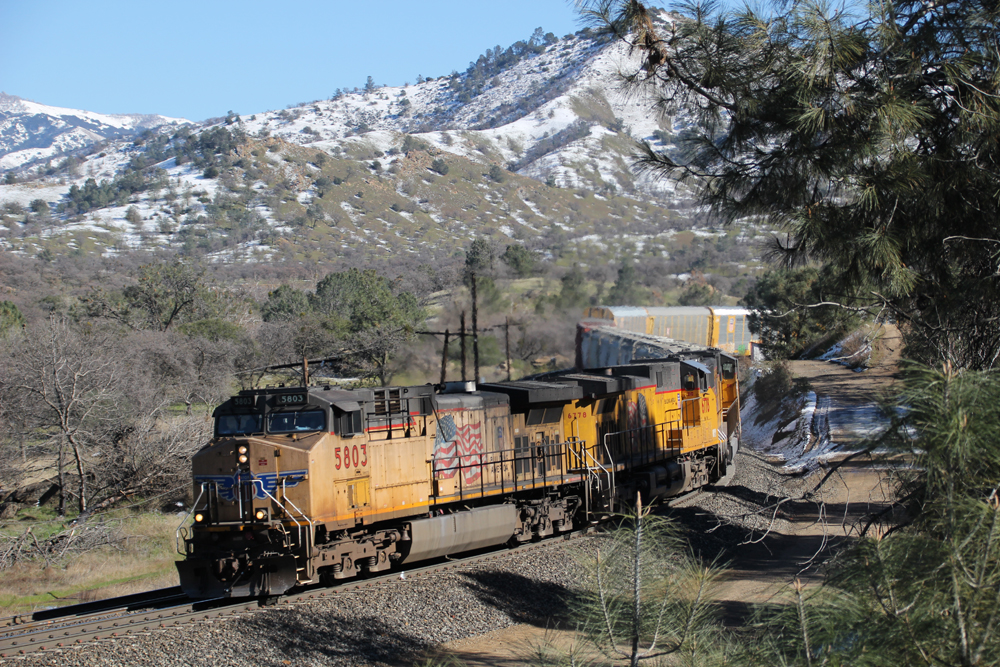
SACRAMENTO, Calif. — California has passed regulations requiring dramatic measures to reduce diesel locomotive emissions within the state — including all new locomotives to offer zero-emission operation by 2035 — although the rail industry says the rules exceed the technology needed to meet them.
In a move last week, the California Air Resources Board passed new rules that:
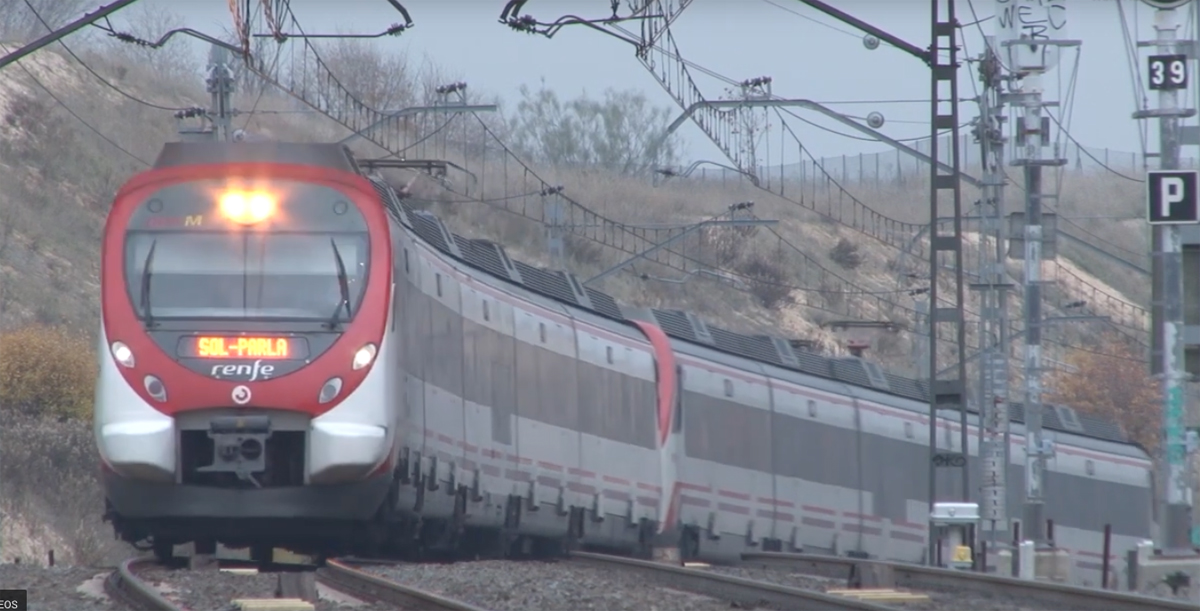
— Requires passenger, industrial, and switching locomotives built in 2030 or after to be able to operate in a zero-emission configuration while in the state. For line-haul freight locomotives, the deadline is 2035.
— Will only allow use of locomotive less than 23 years old as of 2030.
— Beginning in 2024, will not allow locomotives with automatic shutoff devices to idle longer than 30 minutes, except for reasons such as maintaining crew heating or air conditioning, or to maintain air brake pressure.
— Also beginning in 2024, will require locomotive operators in the state to create a trust fund to purchase, lease, or rent lower- or zero-emission locomotives. The more emissions a current locomotive creates, the more money must go into that fund.
— Set gradually increasing requirements for percentages of locomotive fleets in the state that must be Tier 4 or zero emission, with target dates in 2030, 2035, 2042 and 2047. By the last date, all equipment must be zero-emission.
“Locomotives are a key part of California’s transportation network, and it’s time that they are part of the solution to tackle pollution and clean our air,” said CARB Chair Liane Randolph in a press release. That release also said emissions from one train are worse than those of 400 heavy-duty trucks. “With the new regulation, we are moving toward a future where all transportation operations in the state will be zero emissions.”
But the leading candidates to replace diesel technology — battery-electric and hydrogen fuel-cell locomotives — are still in their infancy. The Association of American Railroads said in a statement to the Associated Press that “there is no clear path to zero-emissions locomotives,” adding, “Mandating that result ignores the complexity and interconnected nature of railroad operations and the reality of where zero emission locomotive technology and the supporting infrastructure stand.”
In a lengthy and pointed statement, the American Short Line and Regional Railroad Association called the decision “an incredibly abrupt, dramatic, unrealistic, and counterproductive forced shift” of locomotives, and says the rule will place the financial viability of some small railroads at risk.
“While the spirit behind this rule is consistent with short lines’ environmental commitment, the rule itself is impractical, unworkable, and simply not feasible for most short lines,” said ALSRRA President Chuck Baker. “In addition, this rulemaking does not acknowledge the impact of the elimination of some short line rail service to Californians.”
Locomotives are not alone in facing new CARB regulations. A day after passing the locomotive regulations, the board banned the sale of new diesel trucks by 2036 and required all trucks to be zero emission by 2042. The CEO of the American Trucking Association, Chris Spear, told Reuters the state was “setting unrealistic targets and unachievable timelines that will undoubtedly lead to higher prices for the goods and services delivered to the state and fewer options for consumers.”
Share this article