

MADRID — Spain’s transportation secretary and the head of national rail operator RENFE have resigned following an order for new regional trains that has become a national scandal.
Transportation Secretary Isabel Pardo de Vera and RENFE President Isaías Táboas quit their jobs Feb. 20 in the wake of public and political criticism of a delayed contract to provide new regional trains in northern Spain. The trains’ proposed design would not fit through some bridges and tunnels.
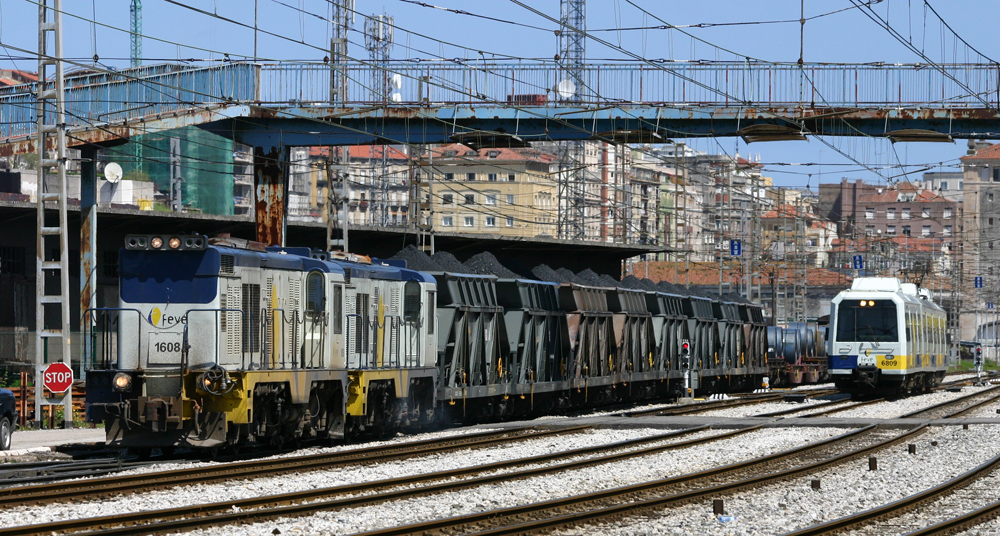
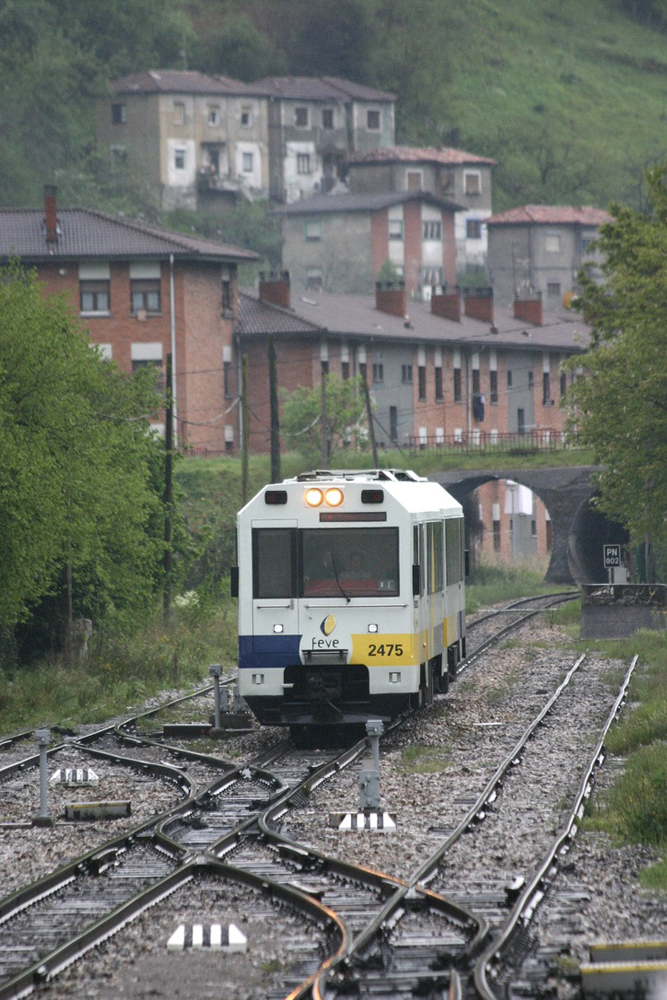
The trains concerned are new regional electric multiple-unit and bi-mode electric/diesel multiple units for the meter-gauge network in the Asturias and Cantabria regions. That network, developed in the 19th and early 20th centuries mainly to serve coal mining companies and their workers, was built with small tunnels and bridges to save money. It was previously run by a specialist narrow gauge company known as FEVE, but in 2012 was merged into national rail company RENFE. The tracks themselves are the responsibility of Spain’s national rail infrastructure company ADIF.
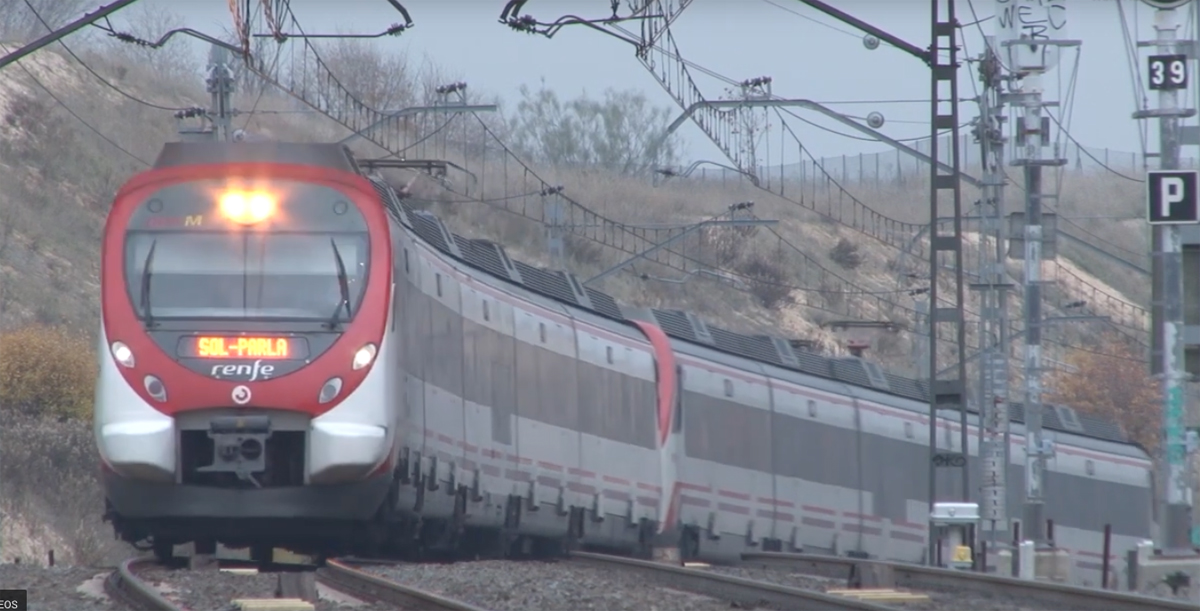
Spanish firm CAF won a $270 million order for 37 new meter-gauge trains in 2020. Most of the new trains (26 EMUs and the five bi-mode sets) were bought for use on the former FEVE network; the remaining trains, which are not affected by the design problems, were specially designed for a separate, isolated meter-gauge line from Cercedilla to the mountain resort of Los Cotos near Madrid.
Too big for tunnels
Widespread criticism came early this year with the discovery, as the new train design was being finalized, that the records held by infrastructure owner ADIF for the ex-FEVE network regarding clearances and structure gauge did not match the train specification RENFE put out to tender. This meant the proposed trains would literally not fit through tunnels on the routes for which they were to be built!
A public blame game played out in the Spanish media earlier this month between operator RENFE and the infrastructure authority, with each party appearing to blame the other, leading the government to intervene.
Initially the Spanish government attempted to deflect any blame, with two senior managers, one from RENFE and the other from ADIF being dismissed. Ultimately, it seems the government has acknowledged that the two companies it owns have caused the mess, hence the resignation of both the minister and the RENFE president.
The Spanish government, while admitting the trains delivery will be delayed until 2026, claims no money has been wasted, as the trains have not yet been built and they will be redesigned to ensure they can be used. This is unlikely to be true, as the redesign process will add to the overall project cost. In the meantime, the government has announced free travel on the lines concerned until the new trains are delivered. While politically attractive, this doesn’t help the train operators, as it will lead to less income to cover the cost of the new trains.